High-Pressure Lubrication Couplings: Leaks, Damage and Blockages Fixed
Published:
When a high-pressure lubrication coupling fails, the system wastes oil, bearings starve, and the clock starts on a much bigger repair. The failure modes are few — leakage, physical damage, blockage — and each has a fast diagnostic path.
Leakage
Symptom: oil weeping or spraying at the joint; level drops; performance of the lubrication point degrades.
Diagnosis & fix, in order:
- Check the coupling’s fastening bolts — vibration loosens them; re-torque to spec.
- Clean the joint — deposited grime can hold the seal face open.
- If the leak persists, replace the seal elements; keep spares on the shelf.
Physical damage
Symptom: cracked body, bent stud, deformed collar — usually from overload, impact, or vibration over time.
Fix: stop using the coupling immediately; a damaged high-pressure joint lets go without warning. Replace with the correct material and rating — not “whatever fits” — and inspect the surrounding line for collateral damage before re-pressurising.
Blockage
Symptom: the lubrication point runs dry while the pump builds normal pressure; the coupling is cold and the line upstream is loaded.
Cause: contaminants or aged-oil deposits accumulating in the bore or the check elements.
Fix: flush the coupling with a compatible cleaning fluid, clear the restriction, and put the circuit on a flushing schedule. Filter the oil at the fill point — most blockages are introduced there.
Prevention beats repair
- Inspect bolt torques, seals and connection hardware on a fixed interval.
- Use the lubricant the system was designed for; do not mix brands — additive reactions gel and block couplings.
- Keep a log: a coupling that needed one re-torque this quarter will need a replacement next quarter.
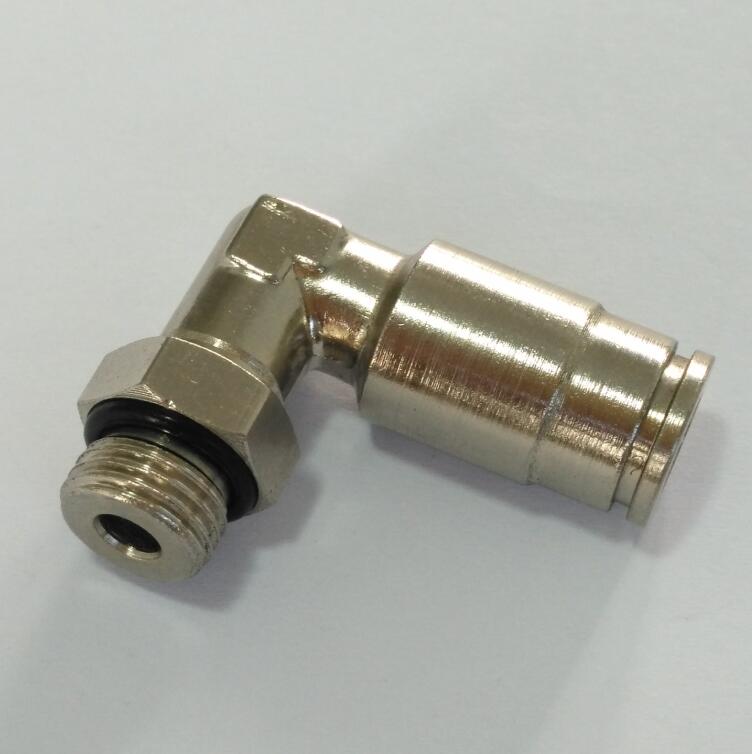
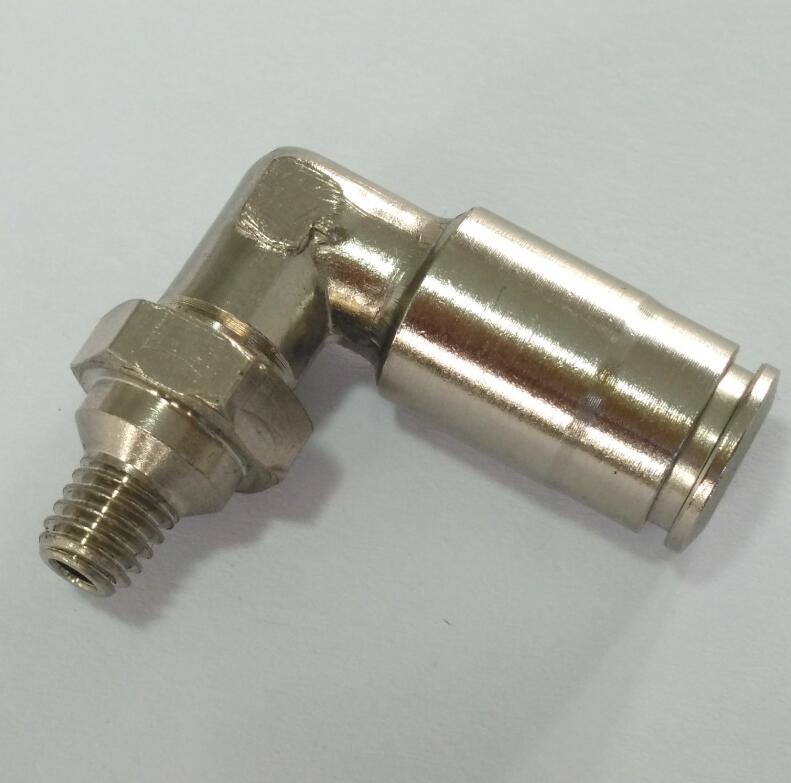
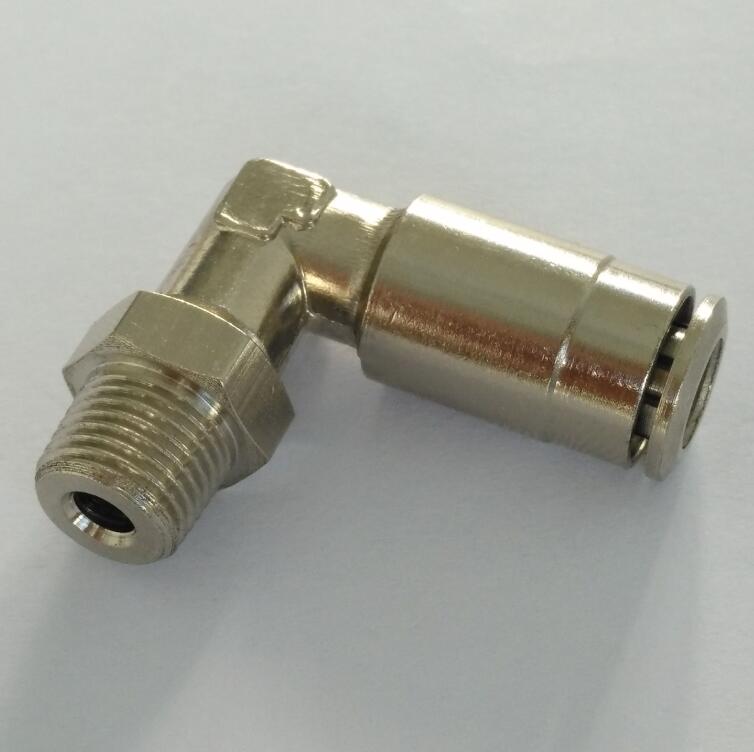
AFD Pneumatic manufactures high-pressure lubrication quick couplings with replaceable seals — request the maintenance sheet and spare seal kits for your series.